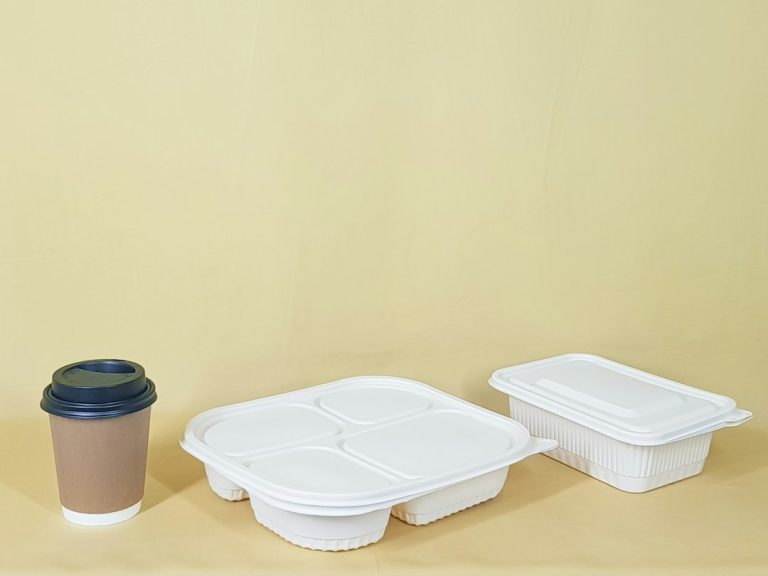

Packing materials are essential for anyone looking to ship products, move homes, or store items safely. Understanding the different types of packing materials available can significantly enhance your packing efficiency and protect your belongings. At wrapmaterialsnest.com, we provide a comprehensive selection of packing materials tailored to meet various needs, ensuring that your items are secure during transit or storage.
Types of Packing Materials
When it comes to packing materials, there are several types to consider, each serving a unique purpose. Bubble wrap is one of the most popular options, providing cushioning and protection for fragile items. It is lightweight and can easily conform to the shape of the object being packed, making it ideal for glassware, electronics, and other delicate items.
Another common packing material is packing paper, which is versatile and can be used for wrapping items or filling empty spaces in boxes. It is an eco-friendly option that can be recycled after use. Additionally, foam peanuts are often used as void fill to prevent movement within boxes, ensuring that items remain stable during shipping. Understanding these options allows you to choose the right materials for your specific needs.
Choosing the Right Packing Materials
Selecting the appropriate packing materials is crucial for ensuring the safety of your items. Start by assessing the nature of the items you need to pack. For fragile items, opt for cushioning materials like bubble wrap or foam inserts. For heavier items, consider using sturdy boxes and packing tape to secure everything properly.
It’s also important to consider the size and weight of your packages. Using the right size box can prevent items from shifting during transit, which can lead to damage. At wrapmaterialsnest.com, we offer a variety of box sizes and shapes to accommodate all your packing needs, ensuring that you can find the perfect fit for your items.
Eco-Friendly Packing Options
In today’s environmentally conscious world, many consumers are looking for eco-friendly packing options. Recycled packing materials are a great choice, as they reduce waste and minimize your carbon footprint. Biodegradable packing peanuts and recycled paper are excellent alternatives to traditional packing materials.
Additionally, consider using reusable packing materials, such as fabric wraps or sturdy boxes that can be used multiple times. By choosing eco-friendly options, you not only protect your items but also contribute to a healthier planet. Wrapmaterialsnest.com is committed to providing sustainable packing solutions that meet the needs of eco-conscious consumers.
Step-by-Step Plan for Packing
To ensure a smooth packing process, follow this step-by-step plan. Step 1: Gather all necessary packing materials, including boxes, bubble wrap, and tape. Step 2: Sort your items by category to make packing easier. Step 3: Wrap fragile items carefully with bubble wrap or packing paper. Step 4: Securely seal boxes with packing tape and label them for easy identification.
This organized approach will help you pack efficiently and minimize the risk of damage to your belongings. By taking the time to plan your packing strategy, you can save time and reduce stress during your moving or shipping process.
Conclusion
Understanding packing materials is essential for anyone involved in shipping or moving. By familiarizing yourself with the various types of materials available and choosing the right ones for your needs, you can ensure that your items are well-protected. Wrapmaterialsnest.com offers a wide range of packing materials to suit every requirement, making it easier for you to find exactly what you need.
Whether you are a business owner shipping products or an individual preparing for a move, investing in quality packing materials is crucial. With the right materials and a solid packing plan, you can safeguard your belongings and ensure they arrive at their destination safely. Explore our selection at wrapmaterialsnest.com and discover how we can assist you in your packing endeavors.